Reviewing Christmas Cute Fairy for Holiday Embroidery
As a designer who spends more time staring at stitch previews than actual fabric, I have learned to be skeptical of holiday motifs. The market is flooded with generic snowflakes and Santa faces that look charming on a screen but turn into thread nests on the hoop. When I first loaded the Christmas Cute Fairy file into my software, I was looking for red flags: excessive density, tiny details that would break under tension, or a layout that ignored the natural drape of fabric. What I found instead was a surprisingly balanced piece of digital art that respects the limitations of machine embroidery while delivering a distinct whimsical charm.
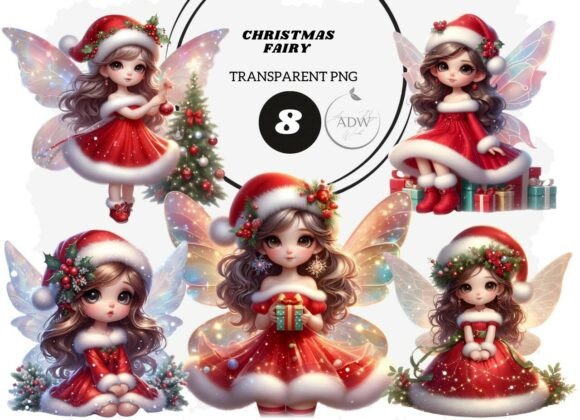
This design falls squarely into the Illustrations category, which usually implies complex shading and fine lines. For embroidery, this is often a danger zone. However, this particular fairy motif manages to translate illustrative softness into tangible stitches without losing its identity. It does not try to be a photograph; it embraces the medium. The silhouette is clear, the proportions are playful, and the overall mood is one of gentle magic rather than chaotic clutter. For those of us creating handmade products for the holiday rush, this distinction matters. Customers do not just buy an item; they buy the feeling it evokes. This design evokes warmth.
Real-World Application: The Tote Bag Test
To truly evaluate a machine embroidery design, you must move beyond the monitor. I recently used this fairy motif for a custom order involving canvas tote bags. These are tricky substrates because the weave is loose, and the fabric has little give. I paired the fairy with a simple "Believe" script, keeping the fairy as the focal point. The result was immediate visual impact. The fairy’s wings, rendered with a mix of satin stitch borders and light fill stitch interiors, caught the light beautifully against the natural tan canvas.
This scenario highlights why Christmas Cute Fairy works well for tote bag design projects. The lines are bold enough to remain visible from a distance, yet detailed enough to reward closer inspection. If you are an Etsy seller or run a small shop product line, this versatility is crucial. A design that only works on stiff felt is limited; a design that adapts to canvas, cotton, and even fleece is an asset. I could easily see this same file adapted for a sweatshirt embroidery project, placed on the left chest for a subtle boutique feel, or enlarged for the back of a hoodie.
Navigating Fabric and Hoop Constraints
While the design is robust, it is not invincible. Embroidery is a physical process, and physics always wins. When working with Christmas Cute Fairy, you must consider stitch density. The central figure has areas of moderate density, which is good for durability but requires attention on stretchy fabrics. If you are applying this to a baby onesie or a thin jersey tee, you cannot skip the stabilizer. A cut-away stabilizer is likely your best friend here to prevent puckering, especially around the wider sections of the fairy’s dress or wings.
Another critical factor is hoop size. Before purchasing or downloading any digital embroidery file, you must confirm it fits your machine’s maximum area. This design likely comes in multiple sizes, but you should never assume. If you attempt to shrink the design too much to fit a small keychain or a narrow cap brim, the intricate details may merge. Tiny gaps between stitches can close up when the thread pulls tight, turning defined shapes into blobs. Always test on scrap fabric first. I recommend stitching a sample on the exact material you plan to use for the final finished product. This allows you to check thread colors and tension before committing to expensive garment stock.
Commercial Viability and Brand Consistency
For craft business owners, consistency is key to building trust. Using high-quality design assets like this fairy helps maintain a professional aesthetic. When customers see clean edges and well-planned color transitions, they perceive higher value. This design supports that perception. It avoids the amateurish look of overly complex gradients that machines struggle to replicate. Instead, it uses smart color blocking. This makes it easier for you to manage inventory, as you do not need twenty different spools of thread to achieve a good result. Three to five well-chosen colors can make this design pop.
Consider the commercial embroidery potential. This is not just for personal gifts. Think about boutique branding. A local coffee shop might want these embroidered on aprons for the holiday season. A nursery decor brand could use it on pillow covers. The whimsical nature fits perfectly with baby embroidery items, provided the scale is appropriate and safety standards for children’s items are met (ensure no loose threads or small, detachable parts if applicable, though embroidery is generally safe). The design’s appeal crosses age groups, making it a versatile addition to your library.
Technical Notes for the Serious Stitcher
Before you start stitching, keep these practical tips in mind:
- Check the License: Always verify the terms of use. Can you sell finished items? Is there a limit on quantity? Never assume a digital embroidery file is free for commercial use unless explicitly stated.
- Contrast is King: Test the design in black and white mockups. If the details disappear in grayscale, they will likely get lost on low-contrast fabrics. Ensure your thread colors stand out against the fabric texture.
- Dark Fabrics: If stitching on dark navy or black, consider using a lighter underlay or adjusting the pull compensation to prevent the background fabric from showing through the stitches.
- Curved Surfaces: For caps or curved pillows, use a frame or specialized hoop to keep the fabric taut. The fairy’s symmetrical balance helps here, as distortion is less noticeable than in asymmetrical designs.
In conclusion, Christmas Cute Fairy is a strong contender for your holiday lineup. It balances artistic flair with technical feasibility. It respects the embroidery project constraints while delivering a delightful visual punch. Whether you are creating a personalized gift for a family member or stocking your online store with holiday embroidery specials, this design offers the reliability and charm needed to succeed. Just remember to test, stabilize, and stitch with care. The magic is in the execution.